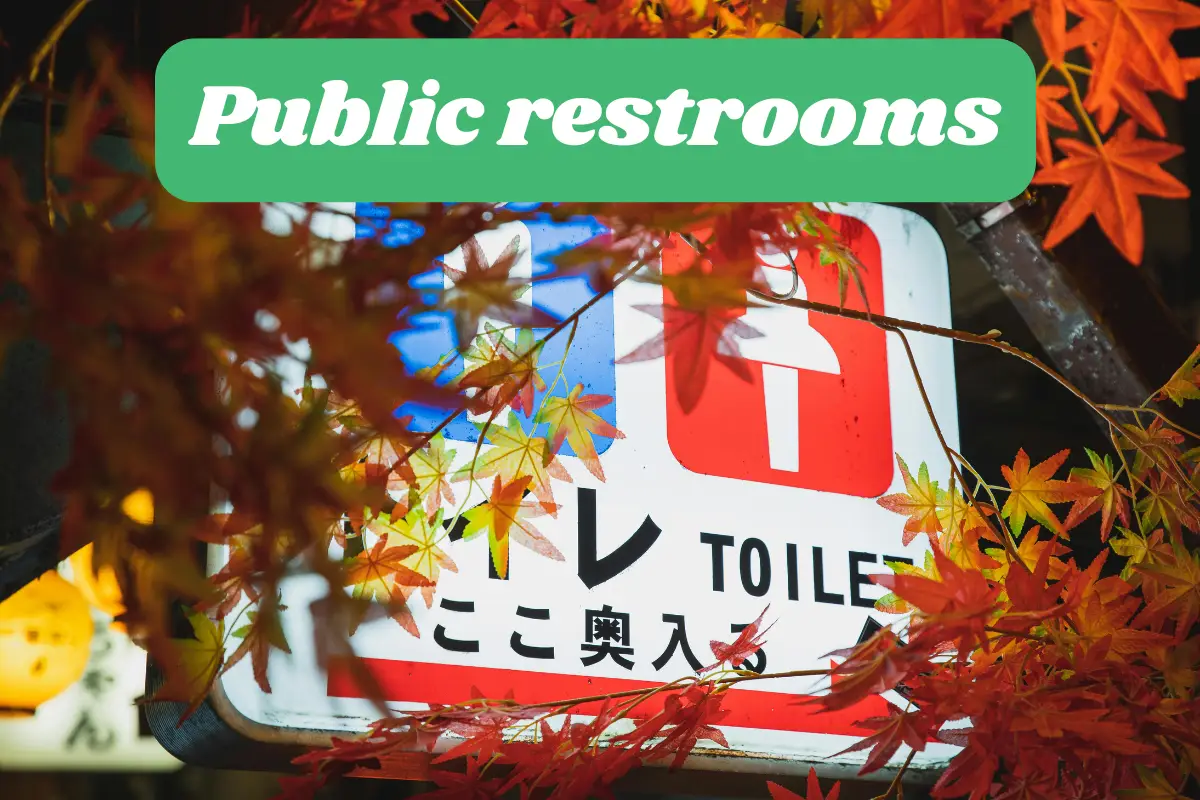
How to Use Public Restrooms Safely: 4 Smart Tips
Public restrooms are toilets and sinks available for use by the general public. You’ll often find them in stores, schools, government offices, gas stations, train stations, rest areas, hotels, and restaurants.
You can use public toilets safely by carrying your own supplies, flushing before and after use, cleaning the toilet seat, and minimizing contact with surfaces while washing your hands thoroughly.
Because these facilities are used by many people, safety and hygiene are key concerns. Some restrooms are well-maintained, while others may carry a higher risk of infections or germs. Knowing how to navigate them safely is especially important for women, parents, and anyone concerned about hygiene.
This guide will walk you through four practical tips for using public restrooms safely and answer some common questions.
Are Public Restrooms Safe?
Public restrooms are designed for convenience, but because they are shared spaces, there are potential risks:
- Exposure to germs: Bathrooms are high-contact areas, and users may be carrying bacteria or viruses.
- Cleanliness varies: Some facilities are well-maintained, while others may be unsanitary.
- Personal safety: Beyond hygiene, public restrooms can sometimes pose security risks.
Tip: If you’re near home or another safe facility, it’s often best to wait until you can use a private restroom.
4 Smart Tips for Using Public Restrooms
Even in less-than-ideal conditions, you can protect yourself by following these practical steps:
1. Carry Your Own Supplies
Not all restrooms provide tissues, soap, or hand sanitizer. Bringing your own can help reduce exposure to germs.
Recommended supplies:
- Disposable toilet seat covers or tissues to line the seat
- Hand sanitizer
- Personal tissues or wipes
Carrying these essentials ensures you’re prepared wherever you go.
2. Flush Before and After Use
Before using a toilet, flush it first to remove any remnants left by previous users. If the flush requires touching a handle:
- Use a tissue or paper towel to press the handle
- Dispose of the tissue in the toilet as you flush
- If the toilet has a lid, close it before flushing to reduce airborne germs
Pro tip: Avoid using your shoe to flush—it spreads germs.
3. Inspect and Clean the Toilet Seat
Before sitting, check the toilet seat for wetness or discoloration, which could be urine, blood, or other fluids.
- Wipe the seat with a tissue, alcohol-based wipe, or disinfectant if available
- Apply a disposable seat cover if possible
- Avoid direct contact with the seat to reduce infection risk
Women and anyone with sensitive hygiene concerns should be especially cautious.
4. Minimize Contact with Surfaces
Public restrooms have many high-touch areas, including door handles, faucets, flush handles, and hand dryers.
Safe practices:
- Open doors with your elbow or a tissue
- Use paper towels to touch faucets or handles if they aren’t automatic
- Always wash your hands thoroughly with soap and water for at least 20 seconds
- Dry your hands with paper towels or an air dryer, using a towel or sleeve to avoid touching contaminated surfaces afterward
Additional Hygiene Tips
- During a pandemic: Wear a mask, maintain physical distance, and use hand sanitizer before and after touching surfaces.
- With a baby: If using a stroller, keep the baby beside you; if in a carrier, adjust it to prevent contact with surfaces.
- For showers in public restrooms: Bring your own soap and towel, use a clean changing area, and avoid direct contact with surfaces.
Frequently Asked Questions
Should you sit on public toilets?
Only after inspecting and cleaning the seat, and preferably with a disposable seat cover.
How do you use a toilet seat cover?
Pull the cover from its dispenser, unfold it, place it on the seat, and dispose of it after use.
What are the do’s and don’ts of public restrooms?
Do:
- Carry your own supplies
- Flush before and after use
- Wash your hands thoroughly
Don’t:
- Sit without cleaning the seat
- Touch surfaces unnecessarily
- Spend too much time in the restroom
Why is it hard to use public restrooms?
- The risk of infections and exposure to germs makes many people anxious. Following hygiene tips can make the experience safer and less stressful.
Key Takeaways
Using public restrooms is sometimes unavoidable, but simple hygiene practices can drastically reduce your risk of infections:
- Bring essential supplies
- Flush before and after use
- Clean the toilet seat thoroughly
- Minimize contact and wash hands properly
By staying mindful, you can protect yourself and others while using public facilities.